

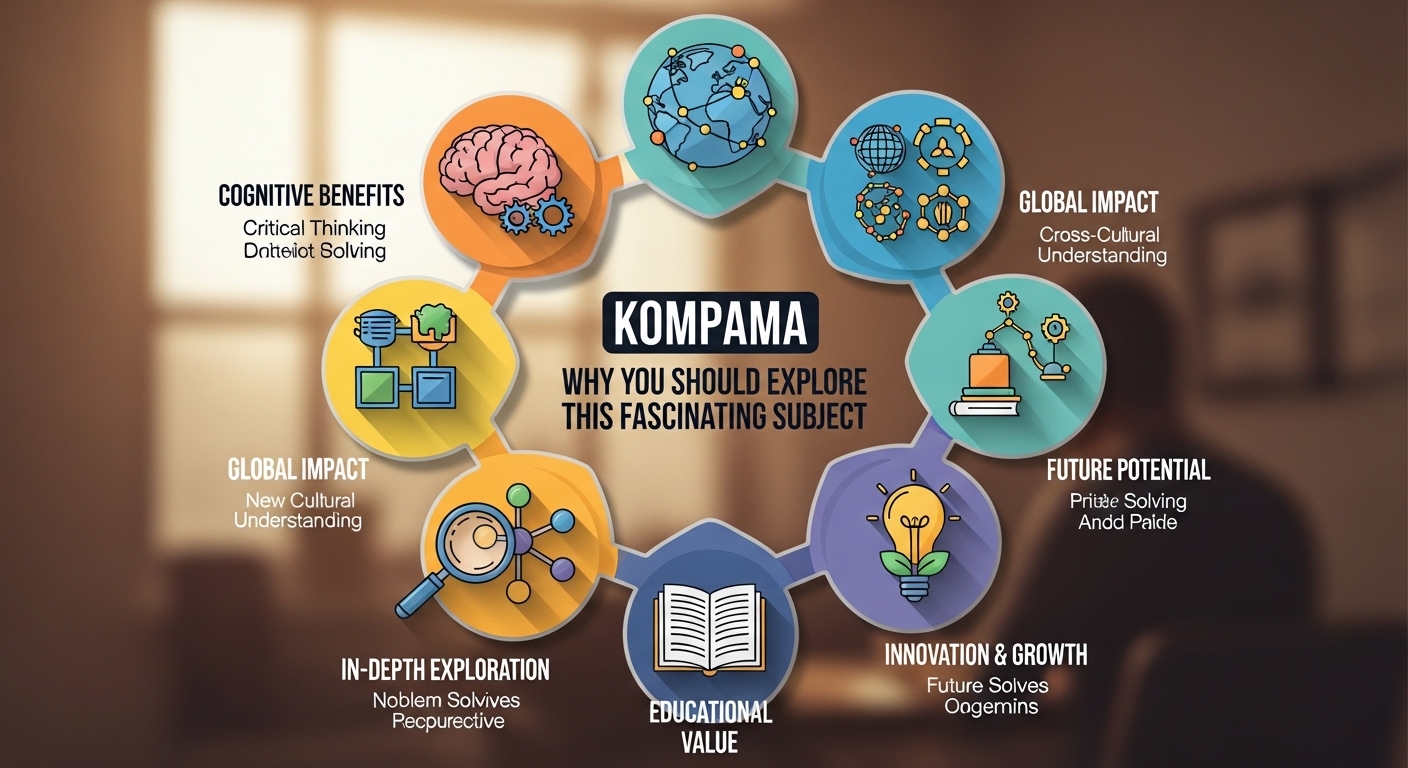
Have you ever stumbled upon a subject so intriguing that it piques your curiosity and beckons you to explore further? Enter Kompama a captivating blend of culture, history, and tradition. This fascinating topic encompasses a rich tapestry woven from the threads of human experience. From ancient practices to modern interpretations, Kompama offers something for everyone. Whether you’re an avid learner or just curious about diverse cultural phenomena, this is one journey worth taking. Join us as we dive deep into the essence of Kompama and uncover its many layers!
What is Kompama?
Kompama is a captivating concept that blends tradition and modernity. It encompasses various practices, beliefs, and rituals rooted in cultural heritage. At its core, Kompama reflects the essence of community connection. It’s about sharing experiences and fostering relationships among individuals who engage with this subject.
The term itself may vary in meaning across different cultures or communities. However, it consistently embodies themes of unity and collective identity. Exploring Kompama can open doors to understanding diverse viewpoints. As you delve deeper into its layers, you’ll discover rich narratives that showcase human creativity and resilience. It’s an invitation to embrace curiosity and engage with something truly meaningful.
The Origins and History of Kompama
Kompama has a rich tapestry woven into the cultural fabric of various communities. Its origins can be traced back several centuries, rooted in ancient traditions and practices. The first known references to kompama appear in historical texts that describe rituals and ceremonies linked to agricultural cycles. These practices often reflect the deep relationship between people and nature.
Over time, kompama evolved through oral storytelling, passed down from generation to generation. This allowed its significance to adapt while preserving core values. As different cultures embraced it, komapma absorbed diverse influences. Each interpretation enriched its narrative, making it a fascinating subject for exploration today. Historians continue to uncover layers within this captivating history. The journey of kompama reveals not just cultural shifts but also human resilience in celebrating life’s milestones.
Cultural Significance of Kompama
Kompama holds deep cultural significance in various communities. It represents a bridge between generations, connecting the past with the present. This practice is often woven into local traditions and celebrations. Each community has its unique interpretation and methods that reflect their values and beliefs. Through storytelling, music, and dance, kompama fosters unity among individuals. These shared experiences strengthen social bonds while preserving collective memory.
In addition to fostering connections, kompama serves as a medium for artistic expression. Artists draw inspiration from its themes to create vibrant works that resonate across cultures. The reverence for kompama underscores its role in identity formation. For many, it’s not just a concept; it’s part of who they are a testament to resilience and creativity amid change.
Traditional Practices and Rituals Involving Kompama
Kompama is steeped in rich traditions that vary across different cultures. These practices often reflect the community’s values and beliefs. One of the most cherished rituals involves storytelling. Elders gather around a fire, sharing tales infused with lessons about life, nature, and spirituality. This oral tradition not only preserves history but strengthens communal bonds. Another significant practice is crafting unique Kompama artifacts. Artisans use traditional methods passed down through generations to create tools or ceremonial objects essential for various rites.
Festivals celebrating Kompama feature vibrant dances and music. Participants don colorful attire symbolizing their heritage while expressing unity through rhythm and movement. Rituals often include offerings to honor ancestors or spirits believed to influence daily life. These gestures serve as reminders of gratitude and respect within the community. Engagement in these practices fosters a deeper connection to one’s roots, enriching individual identities while promoting collective harmony.
Modern Adaptations and Evolutions of Kompama
In recent years, kompama has seen a dynamic transformation. Younger generations have embraced it, infusing traditional elements with contemporary flair. This fusion creates an exciting dialogue between the past and present. Artisans are experimenting with modern materials while preserving the core principles. New techniques enhance its aesthetic appeal, making it more accessible to a wider audience. Online platforms showcase these innovations, allowing enthusiasts from around the world to connect.
Social media plays a significant role in this evolution. Creators share their interpretations of kompama through videos and tutorials, inspiring others to participate. Virtual workshops have emerged as popular venues for learning and collaboration. The rise of eco-consciousness also impacts how is practiced today. Many practitioners prioritize sustainability by using environmentally friendly resources in their work. This shift not only honors tradition but also resonates with today’s values.
Benefits of Learning About Kompama
Exploring kompama offers a window into a rich cultural tapestry. Engaging with this subject deepens your understanding of diverse traditions and values. By studying, you enhance critical thinking skills. The intricate narratives encourage analytical perspectives on culture and history. Additionally, learning about connects you to communities that cherish these practices. This connection fosters appreciation for their heritage while promoting empathy and respect across cultures.
Kompama also inspires creativity. Whether through art, storytelling, or music, the themes found in its practices can ignite imaginative expression. Diving into opens doors for personal growth. It challenges preconceived notions and invites curiosity about the world around us. Embracing this journey enriches both knowledge and experience in meaningful ways.
How to Get Involved in the World of Kompama
Getting involved in the world of Kompama can be an enriching experience. Start by researching local communities or online groups dedicated to this fascinating subject. Engaging with others who share your interest can provide valuable insights. Consider attending workshops or cultural events centered around practices. These gatherings often feature demonstrations, storytelling, and discussions that deepen your understanding.
Volunteering for organizations that promote Kompama is another great way to immerse yourself. It allows you to contribute while learning from experts in the field. Don’t underestimate the power of social media. Follow influencers and thought leaders within the community. Their content can spark inspiration and keep you updated on trends and developments related to this captivating topic.
Conclusion
Kompama is more than just a subject; it’s a doorway into rich traditions and cultural practices. Exploring its origins offers insights into community values and shared experiences that have been preserved over generations. The rituals surrounding are not only fascinating but also highlight the deep connection people have with their heritage.
Learning about can enhance your understanding of diverse cultures, help you appreciate historical narratives, and enrich your own life through new perspectives. As modern adaptations emerge, they breathe fresh life into these age-old customs while maintaining respect for tradition.
Getting involved in the world of Kompama opens avenues for personal growth and community engagement. Whether through local workshops or online communities, there are countless ways to connect with others who share this interest. As you delve deeper into, you’ll find it’s an engaging journey that invites curiosity and fosters connections across time and space. Embracing such topics not only broadens our horizons but also nurtures empathy towards different cultures worldwide.