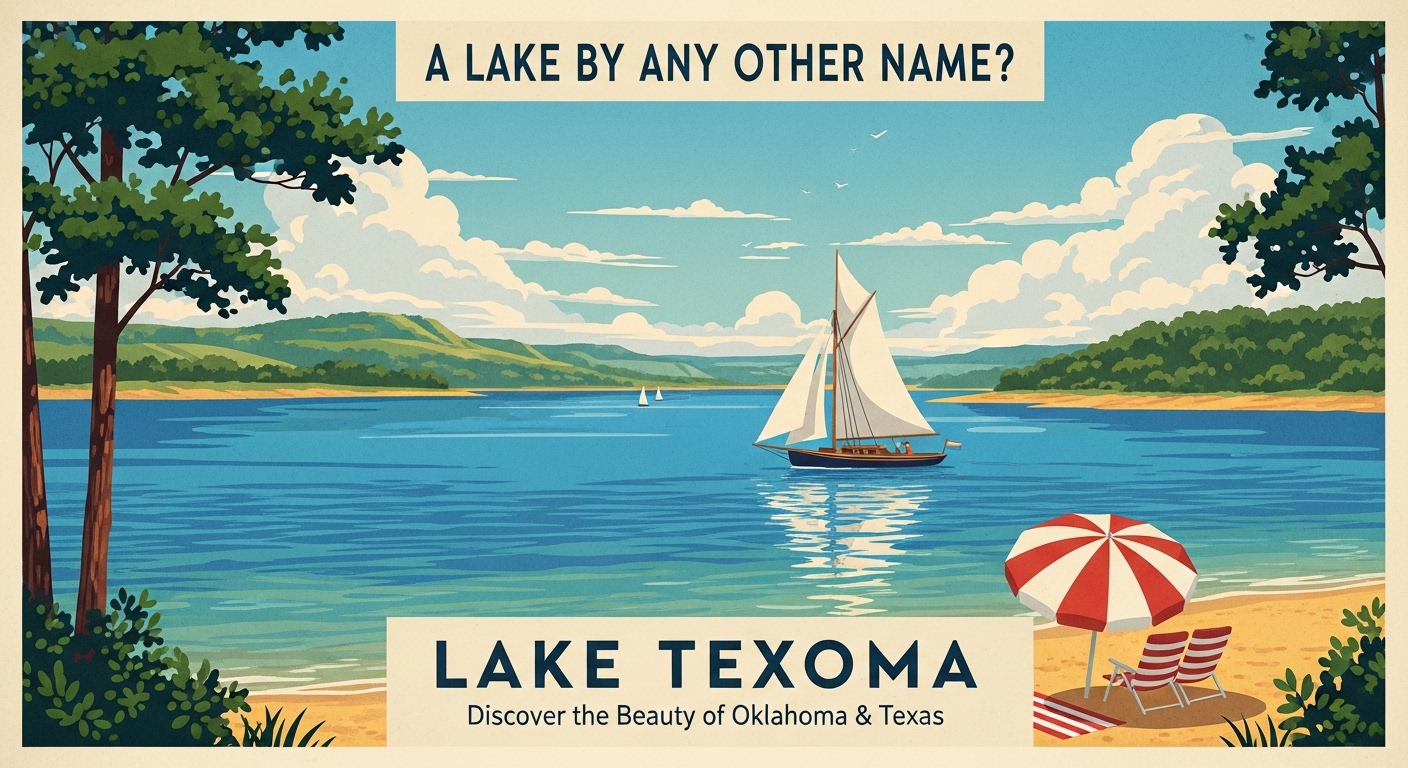
Picture this: a sunny day spent by the shores of a shimmering lake, surrounded by friends and family. That’s the magic of Lake texoma should be capitalized a popular recreational destination straddling Texas and Oklahoma. But here’s the twist: while some folks may casually refer to it as “lake texoma,” there’s an ongoing debate about whether or not that name should be capitalized. Is it simply a matter of grammar, or does proper capitalization carry deeper significance? Join us on this journey as we explore the history behind Lake Texoma’s name, examine arguments for and against its capitalization, and delve into what naming conventions mean in our everyday lives. Ready to dive in? Let’s go!
What is Lake texoma should be capitalized?
Lake Texoma should be capitalized refers to the debate surrounding the correct way to write the name of this popular reservoir. Often, people casually refer to it as “lake texoma,” ignoring standard capitalization rules. Proper grammar dictates that significant geographical names deserve respect and recognition. This means “Lake” must always begin with a capital letter, alongside “Texoma.”
The lake itself is situated on the Texas-Oklahoma border and serves as a crucial recreational area for fishing, boating, and camping enthusiasts. Understanding its proper designation helps in appreciating both its cultural significance and history. Those who champion correct capitalization emphasize clarity in communication. When you capitalize Lake Texoma, you honor not just its name but also its legacy within local communities.
The History of Lake Texoma and its Name
Lake Texoma, a stunning reservoir straddling the Texas-Oklahoma border, has a rich history tied to its name. Created in 1944 by the construction of the Denison Dam on the Red River, it quickly became a popular recreational area. The lake’s name derives from combining “Texas” and “Oklahoma,” representing both states’ connection. This unique naming reflects regional pride and cooperation.
Before becoming Lake Texoma, this area was home to various Native American tribes. The land is steeped in stories that predate European settlement. As communities grew around it, they embraced outdoor activities like fishing and boating. Today, Lake Texoma stands as an emblem of natural beauty and shared heritage between two vibrant states.
Why the Capitalization of Lake Texoma Matters
Capitalization might seem trivial, but it plays a vital role in identity. Lake Texoma is not just any body of water; it represents a unique region and its culture. Capitalizing the name honors this significance. When we write “Lake Texoma,” we acknowledge its distinctiveness as a geographical feature. This small act conveys respect for the local heritage and community connected to the lake.
Moreover, proper capitalization aids clarity in communication. It differentiates between common nouns and proper names, ensuring that readers understand exactly what is being referenced. For tourists or new residents, seeing “Lake Texoma” prominently displayed can evoke curiosity and interest about the area’s attractions. Mislabeling it could lead to confusion or diminish its reputation among other lakes in Texas and Oklahoma. In essence, maintaining correct capitalization fosters appreciation for this beloved landmark while preserving its legacy within regional history.
Arguments for Capitalizing Lake Texoma
Capitalizing “Lake Texoma” aligns with standard grammar rules for proper nouns. A lake’s name is unique, making it deserving of that distinction. When we say “Lake Texoma,” we refer to a specific geographical location, not just any lake. Proper capitalization enhances clarity in communication. It helps readers instantly recognize the subject at hand without confusion. Consistent usage fosters familiarity and respect for local landmarks.
Additionally, capitalizing Lake Texoma acknowledges its historical significance. This body of water has been a recreational hub and a vital resource for surrounding communities since its creation. In marketing efforts or tourism promotions, using correct capitalization bolsters professionalism. It presents an image of credibility that attracts visitors eager to explore this beautiful destination further.
Arguments Against Capitalizing Lake Texoma
Some argue against capitalizing “Lake Texoma” for a couple of reasons. First, they believe it could lead to inconsistency in naming conventions across other lakes and geographical features. If every lake were treated the same way, where do we draw the line? Additionally, some feel that emphasizing capitalization may give undue importance to Lake Texoma over smaller or lesser-known bodies of water. This perspective highlights an egalitarian approach to naming and recognition.
Another point raised is about local versus formal usage. Many residents might refer to it casually as just “Texoma,” without the “Lake” prefix in everyday conversation. They see this as a reflection of community identity, which can be diluted by strict capitalization rules. There’s concern that unnecessary focus on grammar might distract from what truly matters: enjoying the beauty and recreational opportunities that Lake Texoma provides.
The Significance of Properly Capitalizing Names
Proper capitalization is essential in writing. It conveys respect and clarity, especially for names. When we capitalize a name, we elevate its importance. Consider how names define places, people, and events. They carry history and emotion. A correctly capitalized name honors that legacy. In formal communication, such as articles or academic papers, proper capitalization upholds professionalism. Readers expect consistency and accuracy; it builds trust in the information presented.
Moreover, miscapitalization can lead to confusion or misunderstandings. For instance, “lake texoma” might not resonate the same way as “Lake Texoma.” The latter immediately signals a specific location with significance. Attention to detail matters in effective communication. Capitalizing names appropriately reflects an understanding of language nuances while enhancing overall readability.
Other Controversial Lake Names and their Capitalization
Across the United States, many lakes spark debates about their names and how they should be presented. Take Lake Erie, for example. While everyone agrees on its status as one of the Great Lakes, discussions occasionally arise around whether it’s simply “Erie” or officially “Lake Erie.” Then there’s the often-misunderstood Lake Havasu in Arizona. Some people refer to it casually without capitalization, but doing so diminishes its identity.
Additionally, think about the debate surrounding Flathead Lake in Montana. Locals pride themselves on proper usage of capitalization to honor both history and geography. Even smaller bodies of water can stir up conversations. For instance, some might question if it’s “Cedar Lake” or just “cedar lake.” Such distinctions matter more than most realize. These instances illustrate that naming conventions can evoke strong opinions among communities who feel tied to these geographic features.
Conclusion
The debate surrounding the capitalization of Lake Texoma highlights a broader conversation about language, identity, and place. Properly capitalizing names is more than just grammatical accuracy; it reflects respect for history and culture. As we navigate these discussions, it’s important to remember that language evolves, and so do our understandings.
Lake Texoma carries with it stories and significance that deserve recognition. Whether one side argues fervently for its capitalization or another finds merit in lowercase usage, what truly matters is the acknowledgment of this beautiful body of water’s importance.
As you explore Lake Texoma or refer to it in writing, consider the implications your choice conveys. The name symbolizes community ties and regional pride elements worthy of preservation in their proper form. So next time you mention this destination renowned for recreation and beauty, think about how you present its name and why it matters on multiple levels.