

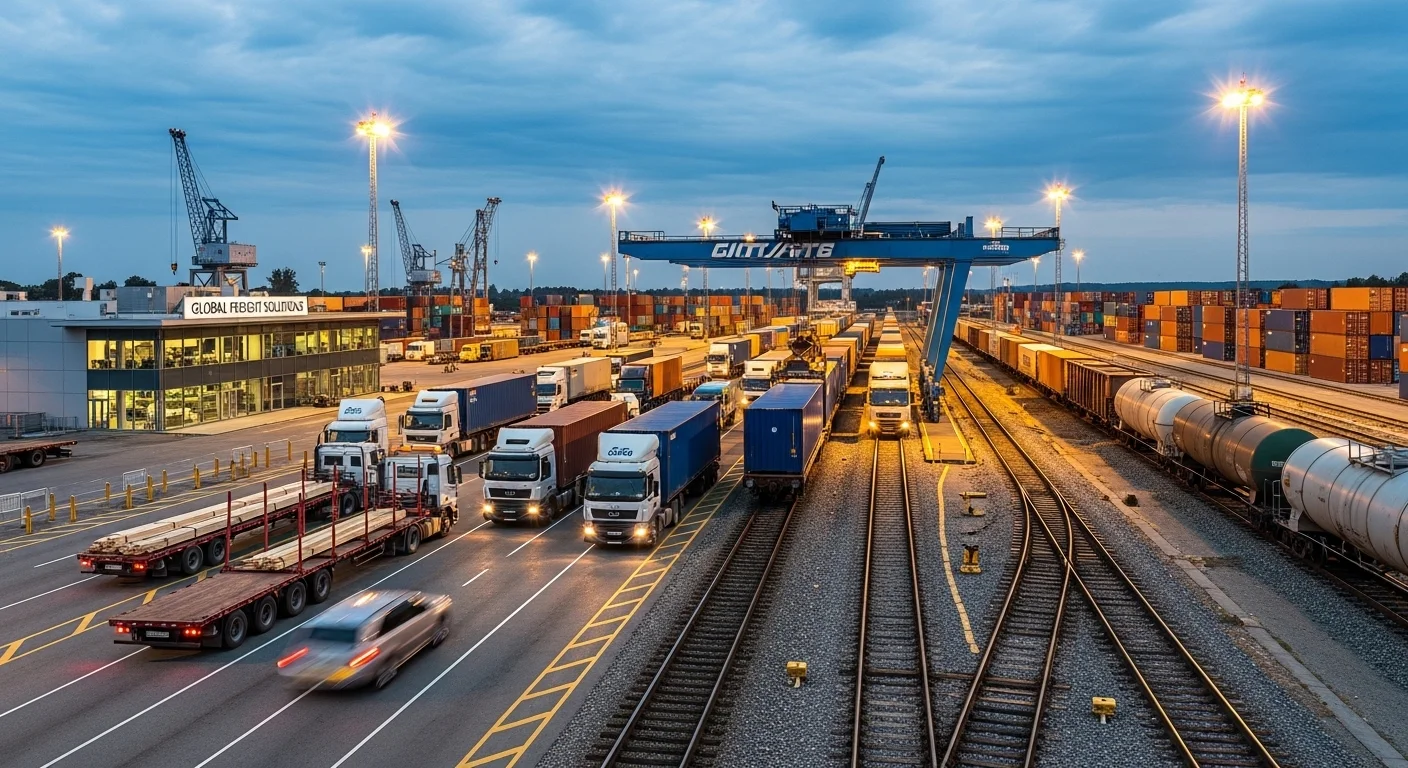
In today’s fast-paced world, businesses are constantly seeking smarter ways to streamline their operations. As the logistics landscape evolves, private freight terminals have emerged as a game-changer in supply chain management. Imagine having complete control over your shipping processes and reducing delays while optimizing costs. That’s exactly what offer. These facilities aren’t just about transporting goods; they represent a shift towards greater efficiency and reliability in logistics. With more companies recognizing the benefits of customizing their transport solutions, it’s time to delve into how can transform the way you approach your supply chain strategy. Whether you’re looking to enhance delivery speed or improve inventory management, understanding private freight terminals is essential for staying competitive in today’s market.
What is Private Freight Terminals?
Private freight terminals are specialized facilities designed to handle cargo for specific companies or industries. Unlike public terminals, which cater to a wide range of customers, these sites focus on the needs of individual businesses.
They serve as critical nodes in transportation networks, allowing for efficient loading and unloading of goods. By managing their own terminals, companies can streamline operations and minimize delays. These facilities often feature advanced technology and infrastructure tailored to particular types of goods. This customization leads to improved logistics performance.
Moreover, private freight terminals enhance security measures compared to conventional ports. Businesses gain better control over their supply chains by reducing exposure to external factors that could disrupt operations. Private represent a strategic investment aimed at optimizing supply chain efficiency while providing greater flexibility in handling various products.
Advantages of Private Freight Terminals in Supply Chain Management
Private freight terminals offer significant advantages that can enhance supply chain efficiency. They provide businesses with direct access to transportation networks, reducing transit times and costs. One of the most compelling benefits is increased control over logistics. Companies can manage their operations more effectively, tailoring services to meet specific needs. This flexibility leads to faster response times in a rapidly changing market.
Additionally, private terminals often feature advanced technology for tracking shipments. Real-time visibility allows companies to monitor their goods closely, improving inventory management and reducing delays. Another advantage lies in security. Private facilities typically have stricter access controls compared to public terminals, which helps safeguard valuable cargo against theft or damage. These terminals promote collaboration among stakeholders by fostering partnerships between manufacturers and distributors. This synergy drives innovation while streamlining processes across the entire supply chain landscape.
Case Studies: Success Stories of Companies Using Private Freight Terminals
Several companies have transformed their supply chains through private freight terminals, showcasing the potential of this strategy. One notable example is a major retail giant that established its own terminal to streamline product distribution. By controlling logistics from origin to destination, they reduced transit times by 20%. This led to improved inventory management and increased customer satisfaction.
Another success story involves an automotive manufacturer. They integrated a private freight terminal into their operations, enabling just-in-time deliveries for parts and materials. This agility minimized production delays and cut costs significantly.
A tech company took a different route by partnering with local providers to develop shared private terminals. This collaboration enhanced efficiency while maintaining flexibility in shipping schedules. These examples highlight how diverse industries leverage to optimize operations and drive growth without compromising service quality.
Challenges and Risks Associated with Private Freight Terminals
Private freight terminals offer numerous benefits, but they also come with their share of challenges and risks. One significant concern is the high initial investment required for infrastructure development. This capital expenditure can deter smaller companies from considering private terminals.
Operational inefficiencies can arise if facilities are not strategically located or properly managed. A poorly designed terminal might lead to delays, resulting in increased costs and reduced customer satisfaction. Regulatory compliance poses another challenge. Navigating local zoning laws and environmental regulations requires careful planning and expertise.
Moreover, dependency on a single terminal may pose risks during unforeseen events like natural disasters or accidents. Companies must have contingency plans in place to mitigate potential disruptions. Additionally, maintaining security at these private facilities is essential to prevent theft or damage. Failing to implement robust safety measures could lead to substantial losses over time.
The Future of Supply Chain Management with Private Freight Terminals
The landscape of supply chain management is rapidly evolving. Private freight terminals are at the forefront of this transformation. As businesses seek greater control over their logistics, these facilities offer tailored solutions that enhance efficiency. They create direct connections between manufacturers and consumers, shortening delivery times significantly.
Technological advancements will further amplify the role. Automation in loading and unloading processes can streamline operations while data analytics provide real-time insights into inventory levels and demand forecasting.
Sustainability is also becoming a critical focus. With dedicated terminals, companies can optimize routes to reduce carbon footprints and implement greener practices within their supply chains. Collaboration among industries could redefine how goods move across regions. By utilizing private freight terminals, businesses not only gain flexibility but also position themselves for growth in an increasingly competitive market.
Implementing Private Freight Terminals in Your Business Strategy
Implementing private freight terminals can transform your logistics strategy. It begins with a thorough assessment of your current supply chain. Identify key locations where terminal access could streamline operations. This will enhance distribution efficiency and reduce costs. Next, engage with stakeholders across departments to ensure alignment on objectives and expectations. Their insights are invaluable in shaping the terminal’s role within the larger framework of your business.
Invest in technology for tracking shipments and managing inventory effectively at these terminals. Integration with existing systems is crucial for seamless operation. Consider building partnerships with local carriers to optimize transportation routes further. Strong relationships can lead to better service levels and competitive pricing. By taking these steps, you can harness the full potential of as part of your overall business strategy, paving the way for sustained growth and improved customer satisfaction.
Conclusion
Private freight terminals are reshaping the landscape of supply chain management. They offer significant advantages, from cost savings to enhanced efficiency. The success stories of companies that have adopted these terminals highlight their potential to revolutionize logistics. However, challenges persist. Businesses must address the risks associated with infrastructure investment and operational complexities. Yet, as technology advances and market demands evolve, stand poised to play a pivotal role in future supply chains.
Implementing a private freight terminal can be a strategic move for businesses looking to optimize their operations. By carefully considering location, capacity, and integration into existing systems, companies can leverage this asset for greater competitiveness. As more organizations recognize the benefits of private freight terminals, they will likely become standard practice in modern logistics strategies moving forward. Adapting to this trend could be key for businesses aiming for long-term growth and sustainability in an increasingly complex marketplace.